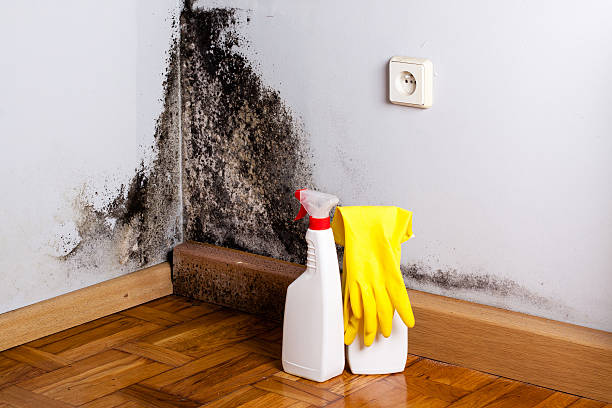
Water damage can quickly lead to mold growth if not addressed promptly. Mold thrives in moist environments, and it can begin developing within 24-48 hours. Acting swiftly after water damage is essential to minimize the risk of mold proliferation and protect the integrity of your property as well as your health.
- Turn Off Electricity: Before entering the affected area, make sure the power is turned off if water has come into contact with electrical systems or outlets.
- Wear Protective Gear: Use rubber gloves, waterproof boots, and an N95 mask to protect yourself from potential contaminants in the water.
Finding and stopping the source of water intrusion is essential to prevent further damage:
– Check for leaks in plumbing or appliances.
– If flooding is caused by external factors like heavy rain, ensure doors or windows are sealed and divert any standing water away using sandbags or drainage tools.
Quickly removing standing water will reduce humidity levels and prevent mold from taking hold:
– Use a wet/dry vacuum to extract water from carpets, floors, and other surfaces.
– For smaller areas, mops or towels may suffice. For substantial flooding, consider renting a sump pump or hiring professionals.
Moisture lingering in walls, floors, or furniture can be a breeding ground for mold:
– Use dehumidifiers and fans to circulate air and speed up drying times. Position fans to direct airflow out rather than recirculating damp air indoors. – Open windows if weather permits for ventilation. – Remove soaked materials like upholstery and carpets that cannot be fully dried within 48 hours.
| Drying Method | Recommended Tools | Timeframe |
| Air Circulation | Fans & Ventilation | Continuous until dry |
| Dehumidification | Electric Dehumidifiers | Several days |
| Absorbing Moisture | Desiccant Packs (e.g., silica) | Supplemental Drying |
Even after visible drying efforts, moisture may linger in walls or under flooring:
– Use moisture meters on drywall, wood panels, or subfloors.
– Check insulation behind walls; damp insulation may need replacement.
Certain items are susceptible to mold growth even after drying attempts: – Completely discard porous materials such as drywall panels soaked in contaminated water. – Consider professional cleaning for valuable items like rugs that display minimal damage.
Acting quickly with these steps not only mitigates immediate risks but also helps create an environment less conducive to future mold problems.
Understanding How Mold Spreads and the Importance of Orlando, FL Mold Remediation
Mold is a common household problem that can have significant health and structural implications if left untreated. Understanding how mold spreads is critical for addressing infestations effectively and preventing recurrence. Below, we explore the mechanisms of mold spread and its importance in ensuring thorough removal.
How Mold Spreads
Mold reproduces through tiny, lightweight spores that are invisible to the naked eye. These spores travel through the air and settle on surfaces, where they can grow under favorable conditions.
- Moisture: Mold thrives in damp environments. Leaks, flooding, or high humidity levels can provide the ideal conditions for spores to germinate and grow.
- Organic Material: Mold feeds on organic matter such as wood, drywall, paper, carpet, and even dust particles.
- Airborne Movement: Spores can easily hitch a ride on air currents caused by fans, HVAC systems, or even open windows and doors.
Once mold takes hold in one area of your home or building, it can rapidly spread to adjacent rooms if not addressed promptly.
Why Understanding Mold Spread Is Crucial
Knowing how mold spreads is essential for designing an effective removal strategy. If you focus only on visible patches without addressing underlying causes or airborne spores, the problem will persist or worsen over time.
- A visible patch of mold often indicates a much larger hidden infestation behind walls or under flooring.
- Effective removal must target both visible growths and microscopic spores that may be floating in the air.
- Improper cleaning methods can release more spores into the air and worsen contamination.
- Using appropriate containment measures (e. g. , sealing off affected areas) minimizes spreading during remediation efforts.
- Simply cleaning up surface mold without addressing moisture issues ensures regrowth.
- Identifying sources of water intrusion (e. g. , plumbing leaks or roof damage) is critical to preventing recurrence.
Tips for Controlling the Spread of Mold
- Use plastic sheeting to isolate contaminated rooms from unaffected areas.
- Turn off HVAC systems temporarily to prevent airborne spores from circulating throughout your home.
- Wear protective gear (gloves, goggles, N95 masks) when cleaning affected surfaces.
- Avoid using fans directly on infected areas as they can dislodge spores into the air.
- Dispose of contaminated materials (such as carpets or drywall) in airtight bags to prevent further exposure.
| Do’s | Don’ts |
| Seal off affected areas | Use regular household vacuum cleaners |
| Use HEPA-filtered vacuums | Ignore hidden moisture sources |
| Maintain low indoor humidity (<50%) | Attempt DIY removal above 10 sq ft |
Understanding these principles equips you with the knowledge needed for safe and thorough remediation while reducing future risks associated with unchecked mold spread.
Expert Tips on Black Mold Removal Orlando, FL: When to Call a Professional
Mold can pose significant health risks and structural challenges if not addressed properly. While some cases of mold growth can be managed independently, there are situations when professional intervention is essential. Understanding when to call a professional for safe and thorough mold removal ensures the problem is handled effectively, safeguarding both your property and health.
Top Signs You Need Mold Removal Services Orlando, FL
- Extensive Spread: If the mold covers an area larger than 10 square feet, it’s generally advised to contact a professional. Such widespread growth may indicate underlying issues like persistent moisture or significant water damage.
- Hidden Mold: When mold is suspected in hard-to-see areas (behind walls, under flooring, or within HVAC systems), specialized equipment and expertise are necessary for detection and removal.
- Health Concerns: If household members experience prolonged respiratory symptoms, allergic reactions, or other health issues potentially linked to mold exposure, consulting a professional helps address both the source and its implications.
- Persistent Odors: A strong musty smell that lingers despite cleaning could indicate hidden mold requiring expert attention.
- Recurring Mold Issues: If you’ve treated mold before but it keeps returning, this might signal deeper problems such as unresolved moisture infiltration.
Benefits of Hiring Professionals for Mold Removal
- Thorough Inspection and Assessment
Experts use advanced tools like infrared cameras and moisture meters to locate all affected areas—visible or hidden. - Proper Containment Techniques
To prevent cross-contamination during removal, professionals establish containment zones using barriers, negative air pressure systems, or HEPA filtration devices. - Efficient Removal with Specialized Equipment
Professionals use industrial-grade cleaners, antimicrobial agents, and equipment such as air scrubbers that ensure complete eradication of the problem. - Addressing Underlying Causes
Beyond removing mold itself, experts identify moisture sources (e. g. , leaks or humidity) contributing to its growth and provide solutions to prevent recurrence. - Safe Disposal Practices
Contaminated materials like drywall or insulation must be carefully disposed of according to local regulations—a process best handled by trained personnel.
Situations Warranting Immediate Professional Assistance
| Scenario | Reason |
| Post-Flood Mold Growth | Floodwaters introduce sewage & toxins |
| Black Mold (Stachybotrys) | Known for producing harmful mycotoxins |
| Structural Damage from Mold | Weakening wood or drywall integrity |
| Allergic Reactions Persist | Potential link between symptoms & mold |
Questions to Ask When Hiring a Mold Removal Specialist
- Are they certified by organizations like the IICRC (Institute of Inspection Cleaning and Restoration Certification)?
- Do they offer a detailed plan outlining containment measures, removal processes, and prevention strategies?
- Will they test air quality after remediation to confirm effectiveness?
- Can they provide references from previous clients?
By understanding these critical factors around timing and professional services for mold removal, homeowners can act decisively when confronted with this challenging issue while safeguarding their living environment’s safety.

How to Prevent Mold After Water Damage with Proactive Measures
Preventing mold after water damage requires prompt action and a strategic approach. Mold thrives in damp environments, so addressing water damage effectively is crucial. Below are proactive measures to help mitigate the risk of mold growth after a water-related incident.
Act Quickly to Remove Water
The first step after experiencing water damage is to remove standing water as quickly as possible. Mold can begin growing within 24 to 48 hours in moist environments, so timely action is critical.
- Use a Wet/Dry Vacuum: Efficiently extract standing water from carpets, floors, and upholstery.
- Mop Hard Surfaces: Manually remove excess water from tiles or hardwood floors.
- Call for Professional Help: If the affected area is extensive, consider hiring a water damage restoration service.
Dry Affected Areas Thoroughly
Once the water is removed, ensure that all surfaces are thoroughly dried. This step prevents lingering moisture that could encourage mold growth.
- Open Windows and Doors: Increase airflow by creating cross ventilation.
- Use Dehumidifiers: These devices help reduce humidity levels in the air effectively.
- Set Up Fans: High-powered fans can accelerate drying times for walls, floors, and furniture.
| Equipment | Purpose | Ideal Application Area |
| Wet/Dry Vacuum | Water removal | Carpets and hard floors |
| Dehumidifier | Reducing overall humidity | Enclosed spaces or basements |
| High-powered Fan | Air circulation and drying | Large open areas |
Dispose of Unsalvageable Materials
Certain materials may not be salvageable after significant water exposure. To prevent mold growth on these items, discard them promptly.
- Soaked drywall
- Severely damaged carpets or rugs
- Heavily saturated furniture or upholstery
- Cardboard boxes or other porous materials
Replace these with new items to avoid contamination risks.
Sanitize Surfaces Properly
Cleaning affected surfaces with appropriate products eliminates microbes that could lead to future mold problems.
- A mild detergent for general cleaning.
- A solution containing 1 cup of bleach per gallon of water for disinfecting nonporous surfaces such as tiles or countertops.
- Commercial antifungal sprays specifically designed for mold prevention (only where necessary).
Always wear gloves and ensure proper ventilation when using cleaning products.
Monitor Humidity Levels Post-Incident
- Maintain relative indoor humidity between 30% and 50%.
If humidity levels rise unexpectedly due to climate conditions or plumbing leaks, address the issue promptly by adjusting ventilation systems or using dehumidifiers.
By following these proactive steps after experiencing water damage, you significantly reduce the likelihood of mold developing later on.
Control Moisture Levels and Improve Ventilation to Stop Mold Growth
Controlling moisture levels and ensuring proper ventilation are essential for preventing mold growth in your home. Below are important steps and strategies to achieve this goal effectively.
Importance of Moisture Control
– Leaking pipes or plumbing fixtures
– High indoor humidity levels
– Condensation on walls, windows, or pipes
– Flooding or water damage incidents
By addressing these issues proactively, you can reduce the likelihood of mold colonization.
How to Control Moisture Levels Indoors
- Repair leaking faucets, pipes, and roofs as soon as possible.
- In humid climates or during the summer months, use a dehumidifier to maintain indoor humidity levels between 30%–50%.
- High readings indicate a need for additional ventilation or dehumidification.
- Insulate cold surfaces like exterior walls or pipes to prevent condensation from forming, especially during winter months.
- After flooding or spills, dry out affected areas within 24–48 hours using fans, wet vacuums, or professional services if necessary.
| Recommended Indoor Humidity Levels | Risk of Mold Growth |
| 30% – 50% | Low risk |
| Above 60% | Significant risk |
Improving Ventilation for Mold Prevention
Proper ventilation prevents stagnant air and limits the buildup of moisture indoors.
- Use Exhaust Fans: Install exhaust fans in areas prone to humidity such as bathrooms and kitchens. Run them during showers or while cooking to remove excess moisture from the air.
- Open Windows Regularly: On days with dry weather conditions, open windows to promote natural airflow throughout your home.
- Install HVAC Systems with Air Circulation Features: Ensure your HVAC system has adequate air circulation settings that keep airflow consistent across all rooms.
- Ensure Dryer Vents Are Functioning Properly: Confirm clothes dryer vents are vented outdoors rather than indoors to prevent additional humidity inside living spaces.
Common Areas That Require Attention
| Vulnerable Area | Preventive Action |
| Bathrooms | Install ventilation fans; wipe down wet surfaces |
| Basements | Use dehumidifiers; check for cracks/leaks |
| Kitchens | Clean up spills immediately; use range hoods |
| Laundry Rooms | Ensure dryer vents are clear |
Regular maintenance combined with vigilance over these spaces will greatly reduce mold risks over time.
Proactively controlling moisture levels and improving ventilation is key to maintaining a healthy living space free from harmful molds that can impact both property value and personal health.
Inspect Vulnerable Areas Regularly to Identify and Remove Mold Early
Regular mold inspections are a critical component of maintaining a healthy indoor environment. Mold thrives in areas with high moisture and limited airflow, making certain spaces in your home or workplace more susceptible. By identifying mold early, you can prevent further growth and mitigate potential health risks. Below is a comprehensive guide on how to inspect vulnerable areas effectively.
Common Areas to Inspect for Mold
Mold often hides in areas that are damp, dark, or poorly ventilated.
– Bathrooms: Inspect around sinks, under bathtubs, inside shower stalls, and behind toilets where moisture tends to accumulate. Look for peeling paint or discoloration of grout lines.Kitchens: Check under sinks, around dishwashers, behind refrigerators, and near any plumbing where leaks may occur.Basements and Crawl Spaces: These areas are prone to high humidity levels. Look for water stains on walls or floors and check for musty odors which could indicate hidden mold.Windowsills: Condensation around windows can lead to mold growth on windowsills or nearby walls.HVAC Systems: Inspect ducts, filters, drip pans, and vents as HVAC systems can circulate mold spores throughout your home if contaminated.
What to Look For
When inspecting vulnerable areas for mold growth, keep an eye out for the following signs: 1.Visible Mold Growth: Mold may appear as black spots, green patches, white fuzz, or other discolored stains on surfaces. 2.Musty Odors: A persistent earthy or musty smell is a strong indicator of hidden mold. 3.Dampness or Water Stains: Any unexplained dampness or past water damage increases the likelihood of mold growth nearby. 4.Peeling Paint or Wallpaper: Bubbling paint or bulging wallpaper can signal moisture issues within walls.
Tools to Aid Your Inspection
Using the right tools can improve the accuracy of your inspection: | Tool | Function | |———————-|————————————————————————–| | Flashlight | Helps illuminate dark corners and crevices where mold may be hiding. | | Moisture Meter | Detects elevated moisture levels in walls, flooring, and ceilings. | | Inspection Camera | Useful for checking hard-to-reach spaces such as air ducts or behind appliances.
Steps To Take If You Find Mold
If you identify any signs of mold during your inspection: 1. Determine the size of the affected area: – For small patches (less than 10 square feet), cleaning with appropriate methods may suffice. – Larger infestations should be handled by professionals who have specialized equipment. 2. Address the source of moisture immediately by fixing leaks or improving ventilation to prevent recurring problems. 3. Wear protective gear such as gloves and an N95 mask if attempting DIY removal.
Regularly inspecting vulnerable areas not only helps detect existing problems but also ensures prompt action before they escalate into costly repairs or health concerns. Proactive monitoring combined with proper maintenance is essential for keeping indoor spaces safe from harmful mold proliferation.
- Effective Orlando, FL Mold Remediation Tips to Prevent Mold Growth in Your Home
- How to Prevent Mold Growth in Winter with Orlando, FL Mold Remediation
- Effective Tips for Black Mold Removal in Orlando, FL: Recognizing the Signs and Solutions
- Essential Steps a Mold Removal Company Orlando, FL Recommends After Water Damage
- Effective Orlando, FL Mold Remediation Tips to Prevent Mold Growth Indoors
- The Financial Consequences of Skipping Inspections: Insights from a Mold Removal Company Orlando, FL
- Comprehensive Guide to Orlando, FL Mold Remediation: From Assessment to Prevention Strategies
- Effective Orlando, FL Mold Remediation: Understanding the Causes of Mold Growth
- The Importance of Orlando, FL Mold Remediation for Your Health and Home