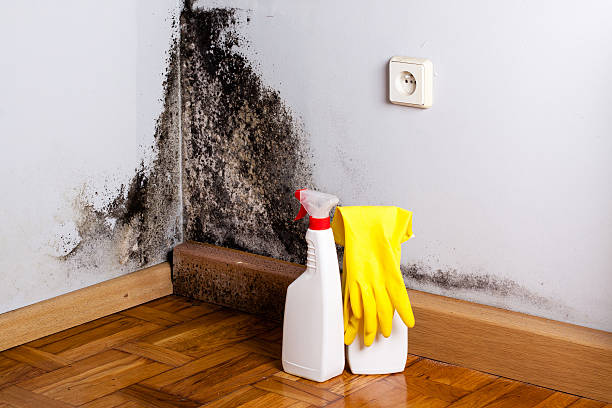
Below, we’ll discuss common trouble spots and how to address them effectively.
High-Risk Areas for Mold
– Basements:Cracks in walls or floors can also allow moisture seepage.
– Bathrooms:Frequent exposure to water and steam creates a humid environment conducive to mold. Grout lines, under sinks, and around bathtubs are particularly vulnerable areas.
– Kitchens:Sinks, refrigerators, and dishwashers often leak or produce condensation. Without regular maintenance, these moisture-prone zones can become breeding grounds for mold.
– Attics:
– Laundry Rooms:Washing machines generate significant moisture that may escape into the surrounding area if not properly ventilated.
How to Identify Problem Areas
- Check for Visible Mold:Look for black, green, or white patches on walls, ceilings, textiles, or furniture.
- Investigate Musty Odors:A persistent earthy smell could indicate hidden mold inside walls or under floorboards.
- Watch for Water Stains:Discolored patches on ceilings and walls might signal water damage—a precursor to mold.
- Inspect Windows and Doors:Condensation buildup near window sills and doors might encourage growth over time.
- Test Humidity Levels:Use a hygrometer to monitor indoor humidity levels; anything above 60% increases the risk of mold development.
| Area | Common Signs of Mold Issues | Recommended Actions |
| Basement | Musty smell; damp walls | Seal cracks; use dehumidifiers |
| Bathroom | Black spots on grout; mildew odor | Install exhaust fans; clean regularly |
| Kitchen | Leaks near sink/dishwasher | Fix leaks; ensure proper appliance drainage |
| Attic | Water stains on ceiling beams | Improve roof insulation/ventilation |
| Laundry Room | Moisture behind washer | Vent dryer properly; check hoses regularly |
Steps to Mitigate Risk
- Repair any leaks promptly—whether from plumbing fixtures or structural damage like roof leaks or foundation cracks.
- Ensure proper drainage systems are installed outside your property so rainwater doesn’t pool near foundations.
- Increase airflow by opening windows when possible and ensuring vents are unobstructed.
By staying proactive about identifying key problem areas within your home environment, you’ll significantly reduce the likelihood of recurring mold issues over time while protecting both property value and health conditions indoors.
Effective Black Mold Removal Orlando, FL: Why Drying Wet Areas Quickly Matters
Whether it’s a minor spill, a plumbing leak, or water tracked in from outdoors, leaving areas wet for extended periods can create the perfect conditions for mold growth. Understanding why drying wet areas is essential and implementing effective practices can help protect your home from mold infestations.
Why Immediate Drying Matters
Mold spores are naturally present in the air and on surfaces, but they only grow when moisture is present.
- Prevention of Mold Growth: Mold can begin to grow within 24 to 48 hours on damp surfaces. Quick action minimizes this risk.
- Structural Integrity: Prolonged moisture exposure can weaken materials like wood, drywall, and carpet, leading to structural damage.
- Health Concerns: Mold can trigger allergies and respiratory issues. Stopping its development protects indoor air quality.
Common Wet Areas That Need Attention
- Bathrooms: Showers and tubs often leave water pooled on floors or walls.
- Kitchens: Sinks and dishwashers may cause spills or leaks under cabinets.
- Basements: Flooding or condensation from pipes often causes dampness here.
- Windowsills: Condensation buildup is common during colder months.
- Laundry Rooms: Washing machines may overflow or leak water onto floors.
Steps to Dry Wet Areas Quickly
- Use a mop or a wet/dry vacuum to eliminate standing water as quickly as possible.
- Open windows and use fans or dehumidifiers to enhance airflow around the area.
- Place towels or absorbent pads on smaller spills; replace them once they become saturated.
- Inspect behind furniture, underneath carpets, and inside cabinets where water may have seeped.
- After drying the area thoroughly, clean it with a mixture of water and detergent or white vinegar to reduce the chances of lingering mold spores.
Tools You May Need
| Tool/Material | Purpose |
| Wet/Dry Vacuum | Removes standing water |
| Dehumidifier | Reduces humidity levels in enclosed spaces |
| Fans | Improves air circulation |
| Microfiber Towels | Absorbs moisture quickly |
| Moisture Meter | Detects hidden moisture in walls/floors |
Preventative Measures for Future Spills
- Install waterproof mats around sinks and washing machines.
- Seal cracks in walls or floors where water could seep through.
- Regularly inspect plumbing fixtures for leaks.
- Ensure proper drainage around your home’s foundation.
Effective Mold Prevention with Professional Mold Removal Services Orlando, FL
One of the most critical steps in mold prevention is ensuring that wet or damp areas are dried promptly. Mold thrives in moist environments, and even small amounts of moisture left unattended can create an ideal breeding ground for mold spores. Understanding why drying wet areas is essential and how to do it effectively can save homeowners from costly repairs and health issues.
Why Immediate Drying Matters
- Moisture: Water from spills, leaks, or condensation provides the necessary hydration for mold colonies to grow.
- Temperature: Most molds thrive in temperatures between 60°F and 80°F, which overlaps with typical indoor temperatures.
- Organic Materials: Mold feeds on materials such as wood, drywall, carpet fibers, and insulation.
By addressing wet or damp areas immediately, you eliminate one of these essential factors and significantly reduce the likelihood of mold development.
Common Sources of Moisture That Need Attention
- Leaky Pipes: Inspect under sinks and around appliances like dishwashers or washing machines for signs of leaks.
- Spills: Clean up liquid spills on carpets or hardwood floors quickly.
- Flooding: After a flood event, promptly remove standing water and thoroughly dry affected areas.
- Condensation: Address condensation on windowsills or pipes by improving ventilation or insulating surfaces.
Steps to Effectively Dry Wet Areas
Drying wet areas requires a systematic approach to ensure that no moisture is left behind.
- Before drying begins, locate where the moisture originated (e. g. , plumbing issues or roof leaks) and fix it promptly.
- Use a wet/dry vacuum or mop to eliminate standing water from floors.
- For larger amounts of water after flooding, consider hiring professional water removal services.
- Open windows (if outdoor humidity levels are low) to allow fresh air to enter.
- Set up fans aimed at damp areas to speed up evaporation.
- g. , basements) to pull excess moisture out of the air.
- Towels or absorbent cloths can be used for smaller spills but should be laundered immediately afterward.
- Check behind furniture, under carpets/rugs, and inside cabinets where moisture might accumulate unnoticed.
Tools Recommended for Drying Wet Areas
| Tool/Equipment | Purpose | Notes |
| Wet/Dry Vacuum | Removes standing water quickly | Ideal for large volumes |
| Fans | Boosts airflow for faster evaporation | Use multiple fans if possible |
| Dehumidifier | Reduces airborne moisture | Keep running until space feels dry |
| Absorbent Towels | Soaks up small amounts of water | Replace when saturated |
| Infrared Thermometer | Detects hidden damp spots | Useful for post-drying inspections |
Long-Term Benefits
Drying wet areas immediately prevents more than just mold growth—it also protects your property from structural damage caused by excess moisture seeping into walls or floors over time. Additionally, maintaining a dry living environment promotes healthier indoor air quality by minimizing allergens associated with mold spores.
Effective Ways to Direct Water Away from Your Foundation and Avoid Mold Issues
Protecting your home from mold starts with managing moisture around your foundation. Water accumulation near the base of your home can seep into basements or crawl spaces, creating the perfect environment for mold growth. Here are effective strategies to direct water away from your foundation while minimizing mold risks.
Inspect and Maintain Gutters and Downspouts
Gutters and downspouts are essential for directing rainwater away from your home. Proper maintenance ensures they function efficiently.
- Keep gutters clean: Remove leaves, twigs, and debris regularly to avoid clogs that can cause water overflow.
- Check for damage: Repair any holes or sagging sections in gutters or downspouts.
- Extend downspouts: Ensure downspouts discharge water at least 4-6 feet away from the foundation.
Create Proper Grading Around Your Home
The slope of the ground around your house plays a significant role in keeping water away.
- Adjust soil grading: The ground should slope downward at least 6 inches over a distance of 10 feet from the foundation.
- Avoid compacted soil: Loosen compacted soil or add topsoil if necessary, as packed dirt can trap water near the foundation.
Install a Drainage System
For homes located in areas prone to heavy rainfall or poor drainage, additional systems may be necessary.
- French drains: These involve perforated pipes surrounded by gravel that redirect water safely away from your home’s base.
- Surface drains: Add these near pathways or driveways to intercept runoff before it reaches the foundation.
| Drainage Solution | When to Use |
| French Drain | Persistent pooling near foundations |
| Surface Drain | High runoff areas like driveways |
| Sump Pump | Basements prone to flooding |
Prevent Landscaping Issues
Landscaping decisions can affect how well water is directed away from your house.
- Position garden beds strategically: Avoid placing them directly against exterior walls.
- Choose native plants: Native species typically require less watering, reducing excess moisture risks.
- Use mulch carefully: Mulch retains moisture, so keep it several inches below siding levels and at least 6 inches away from walls.
Seal Cracks in Walls and Foundations
Water often finds its way inside through cracks in foundations or walls. Regularly inspecting and sealing these vulnerabilities is crucial.
- Use waterproof sealants designed specifically for concrete or masonry surfaces.
- Address even small cracks promptly before they expand due to seasonal weather changes.
By adopting these measures, you can effectively channel water away from your foundation. This reduces both structural damage risks and potential mold infestations indoors. Be proactive about inspections, repairs, and regular maintenance for long-term protection of your home.
Expert Tips from a Mold Removal Company in Orlando, FL for Maintaining a Mold-Free Home
Mold thrives in damp, humid environments, making it crucial to closely monitor and control the moisture levels in your living spaces. Below, we’ll explore strategies and tools to keep humidity levels in check, reducing the risk of mold infestations.
https://evercleanmoldremoval.com/locations/orlando-fl-mold-remediation/
Ideal Humidity Levels for Your Home
To minimize the chances of mold growth, aim to keep indoor humidity levels between 30% and 50%. Levels consistently above 60% create favorable conditions for mold spores to grow and spread.
| Humidity Level (%) | Risk Level for Mold Growth |
| Below 30% | Too dry; minimal risk |
| 30%–50% | Ideal; low risk |
| Above 60% | High risk |
Monitoring these levels is critical in areas like bathrooms, basements, kitchens, and laundry rooms where moisture tends to accumulate.
Tools for Measuring Humidity Levels
To ensure proper monitoring, invest in a hygrometer, a device designed to measure indoor humidity. Hygrometers are affordable, widely available at hardware stores or online retailers, and simple to use. Digital hygrometers often offer additional features such as temperature readings and alerts when humidity goes beyond specified thresholds.
Steps to Manage Indoor Humidity
- Use a Dehumidifier:
A dehumidifier helps extract excess moisture from the air. Portable models are ideal for rooms prone to high humidity (e. g. , basements), while whole-home systems can manage larger spaces. - Ventilate Properly:
Ensure that areas like bathrooms, kitchens, and laundry rooms are well-ventilated using exhaust fans or by opening windows when possible. - Fix Leaks Promptly:
Address plumbing leaks or roof damage immediately as they contribute significantly to raised moisture levels indoors. - Avoid Overwatering Indoor Plants:
Excess water sitting in plant pots not only increases local humidity but also creates a breeding ground for mold near the plants. - Dry Wet Clothing:
Always dry wet clothing outdoors or use a dryer with proper ventilation rather than allowing clothes to air dry indoors.
Tips for Seasonal Changes
- Summer Months:Use air conditioning units or fans since warmer temperatures typically increase atmospheric moisture.
- Winter Months:Be mindful of condensation on windows caused by heating systems; consider using double-glazed windows or weather-proofing sealants.
Long-Term Solutions
- Install insulation around pipes and ducts that experience condensation regularly.
- Seal cracks or gaps in your foundation where groundwater seepage might occur.
- Invest in mold-resistant drywall or paint specifically designed for damp-prone areas.
By monitoring and maintaining optimal indoor humidity levels year-round, you can create an environment that discourages mold growth while enhancing overall comfort within your home. Proactive measures not only protect your property but also promote healthier indoor air quality—essential for you and your family’s well-being.
How Mold-Resistant Products Can Protect Your Home from Infestations
Mold-resistant products are an effective way to safeguard your home against mold infestations. These products are specifically designed to inhibit mold growth, creating a healthier and safer living environment. Below, we explore various mold-resistant options for different areas of your home and how they can be utilized.
Mold-Resistant Building Materials
When constructing or renovating a home, incorporating mold-resistant materials can provide long-term protection.
- Mold-Resistant Drywall: Unlike traditional drywall, this type has a fiberglass mat instead of a paper facing, which reduces the chance of mold growth. It is especially useful in high-moisture areas such as bathrooms, kitchens, and basements.
- Mold-Resistant Insulation: Certain insulation materials, such as closed-cell spray foam or rigid foam board insulation, naturally resist moisture penetration and discourage mold growth.
- Moisture-Resistant Plywood or OSB Panels: These materials are treated to resist water absorption and prevent conditions that promote mold proliferation.
Mold-Inhibiting Paints and Coatings
Specialized paints and coatings with antimicrobial additives can help protect walls and ceilings from moisture-related issues.
- Antimicrobial Paints: These paints contain compounds that actively deter the growth of mold spores on their surfaces.
- Waterproof Coatings: Applying waterproof sealants to concrete walls, floors, or wood surfaces can reduce the risk of moisture penetration over time.
Mold-Resistant Flooring Options
Flooring materials used in damp spaces should be carefully chosen to reduce the chances of mold development.
| Flooring Material | Key Features | Recommended Areas |
| Vinyl Flooring | Water-resistant and easy to clean | Kitchens & Bathrooms |
| Ceramic or Porcelain Tile | Nonporous surface resists water | Bathrooms & Laundry Rooms |
| Treated Wood Flooring | Special coatings combat moisture | Basements |
Benefits of Using Mold-Resistant Products
- Healthier Indoor Air Quality: By reducing the presence of harmful molds, these products contribute to fewer allergens in the air, minimizing health risks such as respiratory problems.
- Enhanced Longevity: Mold-resistant materials often last longer due to their ability to withstand moisture damage better than conventional alternatives.
- Reduced Maintenance Costs: Preventing mold infestations eliminates the need for costly remediation efforts later on.
Tips for Maximizing Effectiveness
- Combine their use with proper ventilation systems in high-humidity areas.
- Regularly inspect installed materials for signs of wear or damage.
- Pair them with other preventive measures like dehumidifiers or sump pumps where necessary.
By strategically utilizing mold-resistant products throughout your home alongside other preventative practices, you can create an environment that is better protected against potential infestations while promoting long-term durability and safety.
Using Proper Ventilation to Combat Mold Growth Indoors
Proper ventilation is one of the most effective strategies to prevent mold growth inside your home. Mold thrives in environments with excessive moisture and poor air circulation. By improving ventilation, you can significantly reduce the likelihood of mold infestations.
Why Ventilation Matters for Mold Prevention
Mold requires three primary conditions to grow: moisture, a food source (like wood, drywall, or carpet), and a lack of airflow. When air cannot circulate freely, humidity builds up in enclosed spaces, creating an ideal environment for mold spores to settle and spread. Proper ventilation helps by: – Reducing indoor moisture levels. – Encouraging air exchange that prevents stagnant air pockets. – Expelling excess humidity generated by daily activities such as cooking, showering, or drying clothes indoors.
Key Areas That Need Ventilation
- Bathrooms
Bathrooms are common breeding grounds for mold because of frequent exposure to steam from showers and baths. - Kitchens
Cooking generates heat and moisture that can increase humidity levels if not properly managed. - Basements
Basements often have limited natural airflow and may be exposed to ground moisture or leaky foundations. - Attics
Poorly ventilated attics trap warm, moist air rising from lower floors. - Laundry Rooms
Clothes dryers produce significant amounts of moisture when vented improperly.
Best Practices for Proper Ventilation
- Install Exhaust Fans
Place exhaust fans in bathrooms and kitchens to remove excess humidity produced during daily activities like showering or cooking. - Use Dehumidifiers
In areas where natural ventilation is limited (e. g. , basements), dehumidifiers can help control moisture buildup. - Ensure Proper Dryer Venting
Verify that your clothes dryer vents lead directly outdoors rather than emptying into crawlspaces or attics. - Open Windows Regularly
Allow fresh air into your home whenever possible by opening windows and doors on dry days. - Inspect Air Vents Regularly
Blocked or clogged vents can impede proper airflow throughout your home. Clean them as part of routine maintenance.
Ventilation Table: Actions vs Benefits
| Action | Benefit |
| Install exhaust fans | Reduces humidity in bathrooms/kitchens |
| Use energy recovery ventilators (ERVs) | Enhances overall indoor air quality |
| Open windows on dry days | Promotes natural airflow |
| Maintain HVAC systems | Ensures consistent air exchange |
Signs Your Home Needs Better Ventilation
If you notice any of the following signs, it may be time to improve your home’s ventilation system: – Persistent condensation on windows. – Musty odors indicative of trapped moisture. – Frequent appearance of mildew in corners or ceilings.
By addressing these issues promptly through proper ventilation practices, you can create an environment that minimizes the risk of harmful mold growth indoors while promoting better overall indoor air quality.
- Effective Orlando, FL Mold Remediation Tips to Prevent Mold Growth in Your Home
- How to Prevent Mold Growth in Winter with Orlando, FL Mold Remediation
- Effective Tips for Black Mold Removal in Orlando, FL: Recognizing the Signs and Solutions
- Essential Steps a Mold Removal Company Orlando, FL Recommends After Water Damage
- Effective Orlando, FL Mold Remediation Tips to Prevent Mold Growth Indoors
- The Financial Consequences of Skipping Inspections: Insights from a Mold Removal Company Orlando, FL
- Comprehensive Guide to Orlando, FL Mold Remediation: From Assessment to Prevention Strategies
- Effective Orlando, FL Mold Remediation: Understanding the Causes of Mold Growth
- The Importance of Orlando, FL Mold Remediation for Your Health and Home